Most people do not realize the support they received had strings until they try to walk away from the expectations attached to it. The terms never got announced upfront. They surfaced later, when a decision was made that the supporter disagreed with, or when the return on the investment did not materialize the way they had planned. That is the moment the support reveals what it actually was. Not a gift. A loan with emotional interest that had been accruing the whole time.
Real support does not have a terms and conditions moment. It does not come with a price that gets named later. It does not shift into disappointment or withdrawal when the person it was given to builds something the giver did not expect or approve of. The absence of that moment is not a small thing. It is the entire difference between support that frees someone and support that quietly owns them.
What Unconditional Support Actually Produces
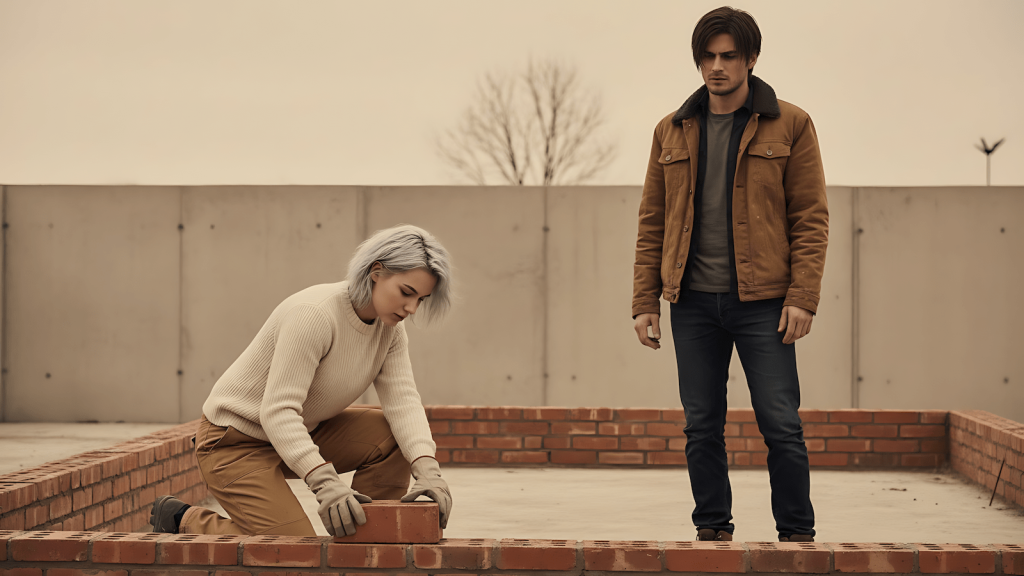
The outcome of real support is not gratitude, though gratitude often follows. It is not loyalty through obligation, though genuine loyalty tends to develop anyway. What unconditional support actually produces is a person who knows they have a foundation.
That knowledge changes everything about how someone moves through the world. A person who knows the net is there, with no invoice attached, takes risks they would not otherwise take. They build from a position of genuine confidence rather than from the desperate need to prove that the investment in them was worth it. They make decisions based on what is actually right for their life rather than on what will satisfy the person who funded the early chapters of it. The foundation does not constrain them. It launches them. And the person who built the foundation gets to watch that happen without needing to own any part of what gets built on top of it.
That last part is where most conditional support breaks down. The supporter who gave with strings attached cannot let go of the outcome. They need the person to succeed in a specific way, in a direction they recognize, at a pace they can point to. When it does not happen that way, the investment feels wasted. That feeling is the proof that the support was never unconditional. Real investment in a person does not have a preferred return.
The Cultural Weight of Expected Return
In many cultures, support is a transaction with deferred payment and everyone understands the terms even though nobody states them. You are raised, educated, provided for, given every advantage the family can afford, and the bill comes due when the provider ages, needs care, needs money, needs the validation of a child who turned out the way they planned. The support was real. The strings were also real. And the recipient spends their entire productive life feeling the weight of a debt they did not choose to take on.
The damage this does is specific. It is not that the person is ungrateful. Most of them are genuinely grateful. It is that gratitude and freedom cannot coexist when the support came with ownership attached. The person who was raised on conditional investment moves through adulthood carrying the emotional weight of a provider dynamic that was established before they were old enough to negotiate the terms. Their success feels partially borrowed. Their choices feel partially subject to approval. The foundation that was supposed to launch them became the ceiling instead.
This is not an indictment of any particular culture. It is an observation about what happens when care gets structured as a loan. The intent behind the support can be completely genuine and the damage can still be real, because what the recipient experiences is not the intent. It is the terms.
Pride Without Claim
The clearest marker of support that was actually unconditional is the ability to be proud of what someone built without needing any ownership of it. Their wins are theirs. The role of the supporter was the foundation, not the architect. What got built on top of that foundation belongs entirely to the person who built it.
That sounds simple and it is one of the hardest things to actually practice. Because genuine investment in a person costs something real. Time, money, emotional energy, years of showing up when it would have been easier not to. The human instinct is to want some claim on the outcome of that investment. To want credit, or acknowledgment, or at minimum the satisfaction of watching the person succeed in a way that validates what was given.
Real support requires letting that instinct go completely. The goal was never the outcome. The goal was the person. If they succeed in a direction you did not expect, that is the foundation working exactly as it was supposed to. If they fail and get back up, that is also the foundation working. The real measure of wealth in a relationship is not what the other person produces. It is who they become because they knew someone was behind them without conditions.
Being proud of someone’s success without needing to claim it is not selflessness as performance. It is the natural result of having given support that was genuinely free.
How to Give Support That Builds the Person
The practical difference between support that frees and support that creates dependency is not always visible in the act itself. Both versions can look identical from the outside. The difference is in the intent behind it and the behavior that follows.
Support that builds the person gives them the tool and steps back. It does not stay involved past the point of usefulness. It does not maintain contact with the problem longer than necessary because the contact feels good or because staying involved justifies the investment. It hands over the capability and trusts the person to use it. When they use it differently than expected, that is not a failure of the support. That is the support working.
Support that creates dependency gives the solution instead of the tool, and then gives it again the next time, and the time after that. It is not accountability that drives it. It is the need to remain necessary. The person being supported never fully develops the capability because the capability keeps getting supplied from outside. They stay dependent not because they are weak but because the system they are inside was built to require them to be. The victim posture that develops inside that system is not accidental. It is the logical output of a support structure that was never actually designed to produce independence.
Giving support that builds the person requires tolerating their struggle without rushing in. It requires watching them work through something difficult and staying back when the instinct is to step in and solve it. That tolerance is the active ingredient. Without it, the support is just a more comfortable version of control.
The Long Game
What this model produces over decades is not visible in any single act of support. It is visible in the person the recipient becomes and in what they pass forward.
The person who received unconditional support and internalized it does not spend their adult life performing gratitude or managing the expectations of the people who invested in them. They spend it building, and when the people around them need a foundation, they know how to provide one because they know what it actually feels like to stand on solid ground. The model gets passed forward not as a conscious decision but as the natural output of having experienced it. You give what you were given, when you were given the real version of it.
The reverse is also true. Conditional support produces people who give conditionally, who keep accounts, who are generous in visible ways and transactional in the ways that matter. The blame culture that develops in families and organizations built on conditional investment is not a mystery. It is the predictable output of a system where support always came with terms and failure always meant the debt got called in.
What you model is what gets compounded forward. The lessons that shape how people handle failure come directly from the environment the support created. Build the environment correctly and the compounding works in your favor across generations. Build it on transactions and the interest compounds in the other direction just as reliably.
The long game of real support is not about what the person you invested in does with their life. It is about what they do with the next person who needs a foundation. That is the return that actually matters. That is the one worth building for.