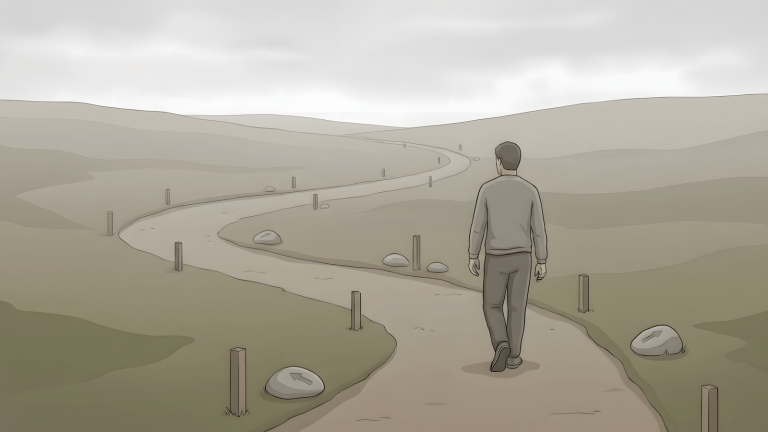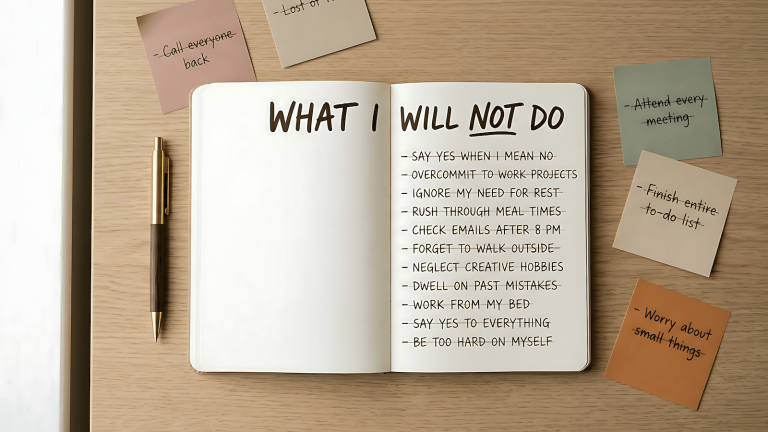
There is a point where continued intervention stops being help and starts being harm. Not harm to you, though it costs you plenty. Harm to the person you keep catching before they hit the floor, because a person who never feels the fall never learns how far they can actually drop.
Most people who end up in the role of perpetual rescuer did not choose it consciously. It happened the way most slow damage happens: one reasonable exception at a time. You stepped in once because the situation was urgent. You stepped in again because the fallout would have been bad. You kept stepping in because by then it was expected, and pulling back felt like abandonment. What nobody tells you is that every time you absorbed a consequence on someone else’s behalf, you also absorbed the lesson that was meant for them. They got the rescue. You got the cost. They stayed exactly where they were.
This is not a post about cutting people off. It is about understanding what you are actually doing when you stop standing between someone and the results of their own choices. Stepping back is not punishment. It is the withdrawal of a buffer that was never supposed to be permanent, handed back to the person it was always meant to reach.

The Parenting Principle Nobody Talks About
Watch how a competent parent handles a child who falls. Not a dangerous fall, not a medical emergency, but the ordinary fall that every kid takes a hundred times before they learn to watch where they are going. The instinct is to rush in, to react, to make noise that signals to the child that something terrible has happened. But the parent who does that is not comforting the child. They are teaching the child that falling is catastrophic, that someone else’s panic is the correct response to their own pain, and that the way to handle difficulty is to wait for external rescue.
The parent who gets it right does something that looks almost cold from the outside. They stay. They do not run. They do not shout. They walk over calmly and say get up, and they offer a hand, not a cradle. The distinction matters more than it sounds. A hand says I am here and you can do this. A cradle says you cannot do this without me. Once the child is up, the competent parent acknowledges the effort of standing, not the drama of falling. Then they listen. Then they comfort. Then, and only then, they explain what happened and how to avoid it next time. That sequence is not accidental. Comfort before explanation means the lesson lands on a regulated nervous system instead of a panicked one. Explanation after comfort means the child remembers what to do differently, not just how frightened they were.
Most adults who chronically fail to face their own consequences were never given that sequence. They were either overcorrected into helplessness, rescued so fast they never felt the floor, or abandoned without the hand at all. Understanding that is not an excuse for their behavior. It is context for why withdrawal, done with presence and without drama, is often the most honest thing you can offer someone who has run out of other teachers.
What Stepping Back Actually Looks Like
Letting people face their own consequences is not the same as disappearing. The parent in the example did not leave the room. They stayed, offered the hand, and followed the sequence. The withdrawal was of the cradle, not of the presence. This distinction gets lost when people conflate stepping back with abandonment, and that conflation is what keeps most people locked into absorbing consequences that were never theirs to carry.
When you have been someone’s safety net long enough, pulling back feels like a betrayal of the role you built. The discomfort is real and it is worth naming. But the role itself was the problem, because a role that requires you to permanently stand between someone and reality is not a relationship. It is a system that protects one person’s comfort at the cost of their growth and your resources. The blame culture that develops inside that kind of system is not an accident. When someone never faces consequences, they never develop the internal accounting that connects their choices to their outcomes. Someone or something else is always responsible. That pattern does not break through more intervention. It breaks, if it breaks at all, through contact with reality.
Staying present without absorbing is the hardest version of this. It means you are still there, still visible, still offering the hand when they actually reach for it, but you are no longer catching them before they ask. That requires you to tolerate watching someone struggle without rushing in, which runs counter to every instinct that made you the rescuer in the first place. The victim mindset that keeps people stuck feeds directly on rescuers who cannot tolerate the discomfort of watching someone sit with a problem they created. Every time you step in uninvited, you confirm the story that they cannot handle it without you. Every time you stay back, you introduce the possibility that they can.
Real Love Is Not Soft
There is a version of love that most people are sold early and never fully examine. It is the version that says love means comfort, love means protection, love means making the pain stop. That version is not wrong about everything. Comfort matters. Protection matters. But when comfort becomes a permanent shield from consequences and protection becomes a permanent buffer from reality, it stops being love and starts being a different kind of harm entirely.
Real love tells the truth. It surfaces the wrong so the person can learn from it, not because surfacing it feels good, but because the alternative is watching someone repeat the same damage indefinitely while you absorb the cost. That requires a tolerance for their discomfort that most people read as coldness. It is not cold. It is the longer view. The parent who lets the child feel the fall is not indifferent to the child’s pain. They are more interested in the child’s capacity than in their own relief from watching someone struggle.
Respect in the people closest to you is built on honesty, not comfort. The relationships that actually hold are the ones where the people in them can say the hard thing, name the wrong, and trust that the other person is durable enough to hear it. When you have been managing someone’s feelings by absorbing their consequences, you have been making a quiet bet that they are not durable. Stepping back is actually the first time you treat them like they might be.
Consequences Are Patient
One of the quieter truths about this whole dynamic is that consequences do not expire. They wait. The person who avoided accountability for years, who had someone absorbing the fallout on their behalf, does not escape the reckoning. They defer it. And deferred consequences compound, the way deferred maintenance on a house does, until what would have been a small repair becomes a structural problem. You were not protecting them from consequences by absorbing them. You were protecting them from small ones while larger ones accumulated in the background.
When you step back, you are not delivering punishment. You are simply stopping the deferral. The accountability that was always owed lands where it was always supposed to land. That this feels cruel to watch is a function of how long you spent preventing it, not evidence that stepping back was wrong. The fall feels bigger because you caught so many of the smaller ones. That is the cost of the system you were both running, and it is a cost that lands differently now that you are no longer the one paying it.
What you do with the energy that frees up is worth thinking about. The people in your life who do not require you to be a buffer, who show up, who absorb their own outcomes, who redirect toward solutions instead of seeking validation for why nothing is their fault, those people have been there the whole time. They just were not getting the portion of you that was going toward rescue operations. That changes when you stop running them.
The Hand Is Still There
Stepping back does not mean the door is permanently sealed in every case. It means the terms change. The hand is still available, but it is offered to someone reaching for it, not thrust under someone who has not yet felt the floor. That is a meaningful distinction for anyone who confuses withdrawal with rejection. You are not removing yourself from the equation. You are removing the part of yourself that was doing the consequence-absorbing, which was never a sustainable contribution anyway.
The people who learn from the fall come back to the hand eventually. Some of them do not, and that is information too, about what the relationship was actually built on. Either way, you are no longer running the same system. You are no longer the floor they never hit. And somewhere in the space that creates, there is room for something that actually works, for both of you.