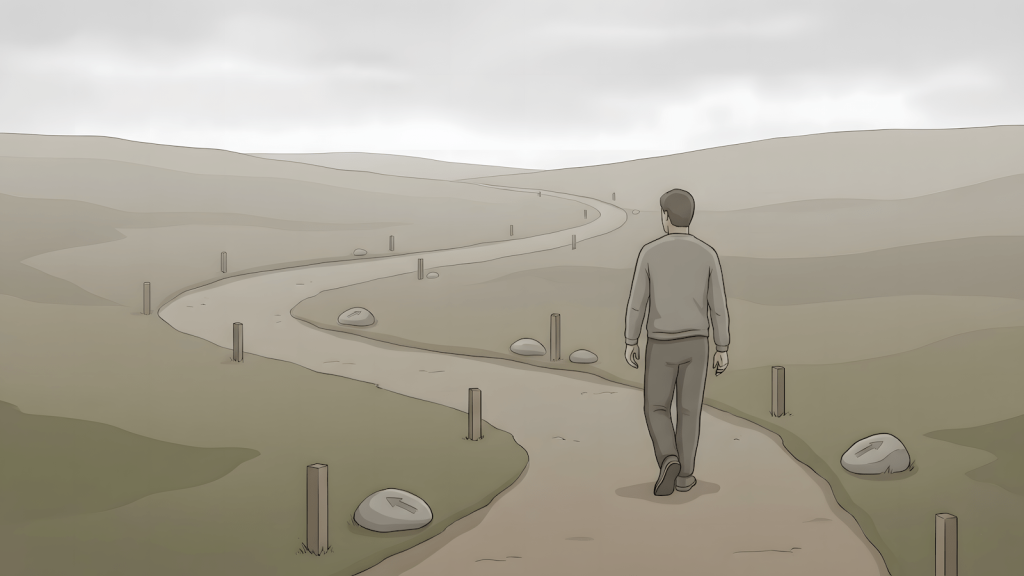
People don’t look up micro-wins when things are going well.
They look them up when effort suddenly feels heavier than it used to, when focus keeps slipping, when they are trying to stop a slow slide without burning whatever energy they have left. Searches like small victories at work or how to stay motivated are not about inspiration. They are about containment. They are about staying functional.
That is why micro-wins matter, and why they are so often misunderstood.
When Motivation Is No Longer Reliable
When I first wrote about micro-wins on MomentumPath, the point was not to sell motivation. It was to explain why small, consistent forward motion stabilizes people better than big goals ever do, especially when energy and attention are unreliable. In The Science of Micro-Wins: How Small Victories Boost Productivity and Motivation, I explained why the brain responds better to proof that progress is still happening than to pressure to try harder, and why the relief of not going backward is often enough to keep people engaged.
That post works as an entry point because it gives language to something people already feel.
What it does not try to do is show what micro-wins look like once they stop feeling like wins at all.
What Micro-Wins Look Like When They Are Working
Micro-wins are not supposed to be noticeable.
If you are constantly aware of them, they are probably costing you attention. The real signal is not excitement or pride. It is the absence of stress. A day passed. Something moved forward. Nothing collapsed.
That is the win.
A Real Example That Removes Pressure Instead of Adding It
Here is one real example, not as a system to copy, but as a way to explain why micro-wins work in practice.
I run multiple blogs, but I do not operate on rigid publishing schedules anymore. I do not assign specific days to specific sites, and I do not treat posting times as a performance metric. Instead, I work on a seven-day posting cadence. One day passes, one canonical post goes live, and one syndication gets done. That is the minimum.
It does not matter which blog it is.
It does not matter what time it goes up.
It does not matter whether conditions were ideal.
If I have more energy, I schedule ahead. If I do not, nothing stacks up. Missed days are not repaired or compensated for. Everything moves forward only.
Because the cadence is simple, a few things happen naturally:
- bad days are absorbed instead of punished
- missed output does not turn into backlog debt
- extra effort goes forward instead of stealing rest
- Sunday stays off without negotiation
The result is not higher output. The result is lower pressure.
Posting does not leak into anxiety. Work does not spill into rest. There is no constant sense of being behind. The cadence keeps moving without demanding attention, which is exactly what micro-wins are supposed to do.
The win is not that something shipped.
The win is that rest survived intact.
When Progress Barely Registers But Still Counts
Micro-wins matter most when they barely register.
Those are the days when motivation would normally fail. When nothing feels impressive. When it would be easy to conclude that nothing is working. Micro-wins prevent that conclusion by keeping forward motion intact without asking for emotional buy-in.
You do not need to feel progress for progress to exist.
How the Same Logic Applies Outside Work
Once you see micro-wins clearly, the idea stops being abstract and starts showing up elsewhere.
In HealthyForge, I wrote about usable strength in Usable Strength After 40 as strength that still works when you are tired, underslept, or dealing with real-world friction. That piece exists to explain why staying functional under imperfect conditions matters more than peak performance you can only access on perfect days.
The physical version of a micro-win is not visible progress. It is waking up tomorrow without pain and without needing to get back on track.
Same logic. Different surface.
Momentum Without Needing Motivation
Micro-wins are not about doing more. They are about building ways of working that continue quietly when attention drops and motivation fades. They are why a bad week does not turn into a lost month. They are why you do not feel the need to reset everything just because life got heavy for a few days.
Most people think they need better motivation. What they usually need is fewer systems that demand to be noticed.
When micro-wins are working, you forget about them. Days pass. Work happens. Rest stays intact. You do not feel like you are winning, and that is exactly how you know the system is doing its job.
That is momentum that lasts.
This is what happens when you’re working while depleted when you’re expected to perform under conditions that aren’t acknowledged.

Director of Systemic Disruption & Cognitive Sarcasm
I write about momentum that survives low energy, broken schedules, and days when motivation doesn’t show up. This is for people who are tired of systems that only work when everything is aligned, and want baselines that keep moving quietly in the background. Micro-wins, repeatable effort, and forward motion without theatrics are the point.
Check out the syndication on Medium and on Facebook.
Support the work and help me buy a PS5
Your support keeps this content free, honest, and built to last when everything else chases trends.