Most People Are Playing It Like a Mood
The internet did not get worse because of algorithms. It got worse because people forgot that identity persists.
Early internet users learned this through constraint. Usernames were chosen carefully. Personas were separated by context. Public words carried weight because they persisted. You learned, sometimes painfully, that what you said could follow you long after the conversation ended.
At some point, social platforms taught the opposite lesson. Post quickly. React emotionally. Delete later.
That model does not survive time.
The internet never forgets. It only waits.
People now treat platforms like group chats. They are not.
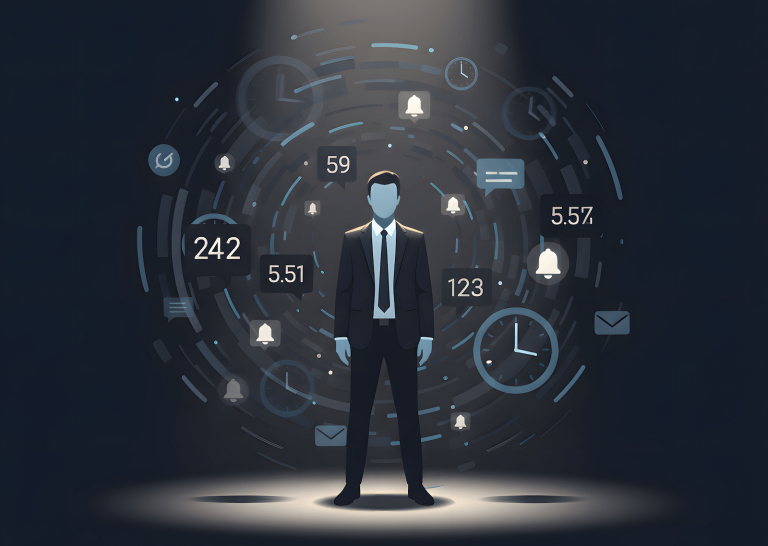
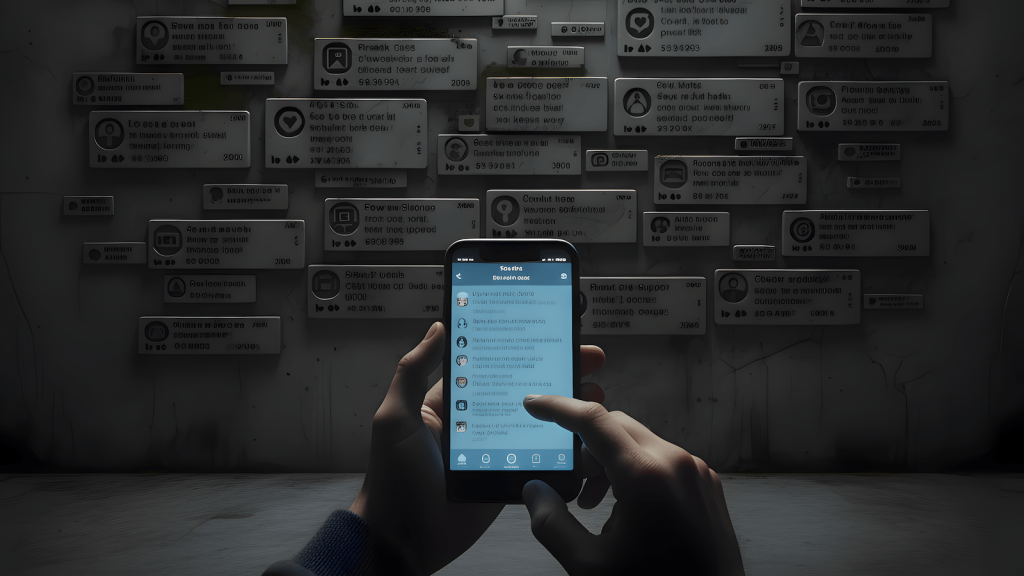
Every comment can be detached from its original context. Every sentence can be screenshot without tone or intent. Every reaction can be rediscovered long after you’ve become someone who would never say it.
The risk is not being wrong. The risk is being right in the wrong emotional moment and having that moment preserved forever.
This is why restraint online is not weakness. It is risk management.
Silence is not disengagement. It is choosing not to create artifacts you will need to explain later.
Social engineering existed long before computers
This problem is not new.
The term social engineering existed long before modern computing. It originally described the manipulation of human behavior. Trust, authority, urgency, and familiarity were always exploitable long before software existed.
Confidence tricks worked because people wanted to be helpful. Impersonation worked because people deferred to authority. Casual conversation worked because humans leak patterns when they feel safe.
Computers did not create this vulnerability. They formalized and scaled it.
When systems met people, people failed first
In the 1960s and 1970s, phone phreaks did not defeat telecommunications systems through code. They convinced operators to assist them. Authority and confidence bypassed security protocols long before malware existed.
By the 1980s and 1990s, breaches like those Kevin Mitnick executed exposed an uncomfortable reality: most intrusions did not require advanced technical skill. They required conversation. Employees trusted authority, responded to confidence, and followed familiar scripts even when those scripts bypassed formal security controls.
The lesson organizations resisted then remains relevant now. Technical defenses mean little if human behavior remains predictable. This realization forced a shift in how security was understood. It was no longer a purely technical discipline. It had to account for psychology, incentives, and trust.
Understanding how these failures occurred is not endorsement. It is how systems stop repeating the same mistakes under new names.
Oversharing is not harmless. It is data exhaust.
Social engineering does not require hacking skills. It requires observation.
The same psychological techniques dramatized in shows like The Mentalist, reading micro-reactions, tracking engagement shifts, exploiting confirmation bias, work in reverse when you broadcast your patterns publicly. People reveal far more than they intend, especially when they feel validated, angry, or understood.
Birthdates become passwords. Pet names become security answers. Career timelines become identity maps.
None of this requires breaking into systems. It only requires patience.
AI did not invent the threat. It removed friction.
Many people say they fear AI because it knows too much.
The uncomfortable truth is simpler. AI knows what people already gave away.
Public profiles. Comment histories. Emotional patterns. Predictable narratives.
AI does not create insight. It accelerates pattern recognition.
The real vulnerability is not the tool. It is uncontrolled identity emission.
Fear of AI without restraint is misplaced.
Why modern authenticity advice fails
People are told to be authentic. To say what they feel. To speak their truth.
What is missing from that advice is a cost model.
Authenticity without timing becomes recklessness. Honesty without restraint becomes exposure.
Maturity is understanding that emotions are temporary, platforms are permanent, and audiences are invisible and future-facing.
You can be real without being impulsive. You can be honest without being predictable.
That is not censorship. That is discipline.
People confuse tools with shortcuts and authenticity with struggle. The goal is durable output, not performative effort. (See: AI as a tool, not a threat)
Identity should be treated like infrastructure
Engineers do not design systems assuming perfect conditions. They assume failure.
Digital identity deserves the same treatment.
Minimize attack surface. Separate environments. Control output. Assume replay.
That means using real names where accountability matters. Using pseudonyms where exploration is safe. Choosing silence where emotion would cause damage. Speaking only when the words survive rereading months later.
This is not about hiding. It is about durability.
Why restraint feels rare now
Modern platforms reward speed, outrage, and certainty. They punish nuance, delay, and silence.
People confuse loudness with conviction. Visibility with impact. Engagement with value.
The result is a culture that reacts constantly and reflects rarely.
That is not courage. That is dopamine management.
Start smaller than you think
You do not need to fix the internet.
You only need to post less and with intent. Comment only when the question deserves it. Avoid emotional arguments in permanent spaces. Build things that do not require constant defense.
One clean presence changes how people read you. Enough clean presences change the tone of a room.
That is how cultures shift. Not through outrage, but through refusal to add noise.
The internet rewards performance. Time rewards restraint.
Social engineering worked because people talked too much. AI works because people still do.
Treat your digital identity like something that has to last.
Because it does.

Director of Systemic Disruption & Cognitive Sarcasm
Builds the teardown behind MomentumPath.net. Writes for people whose minds are tired, not broken and who want systems that outlast the chaos.
Check out the Syndication on Medium and on Facebook.
Every click helps keep this content sharp, honest, and built to survive the burnout loop.