Frugality gets treated like poverty cosplay. People think it means saying no to comfort, grinding through deprivation, or buying ugly things because they’re cheap. That’s not frugality. That’s punishment disguised as virtue.
Frugality, when built right, is a system, a way of eliminating waste without amputating quality. It’s not about how little you spend. It’s about how rarely you need to spend again.
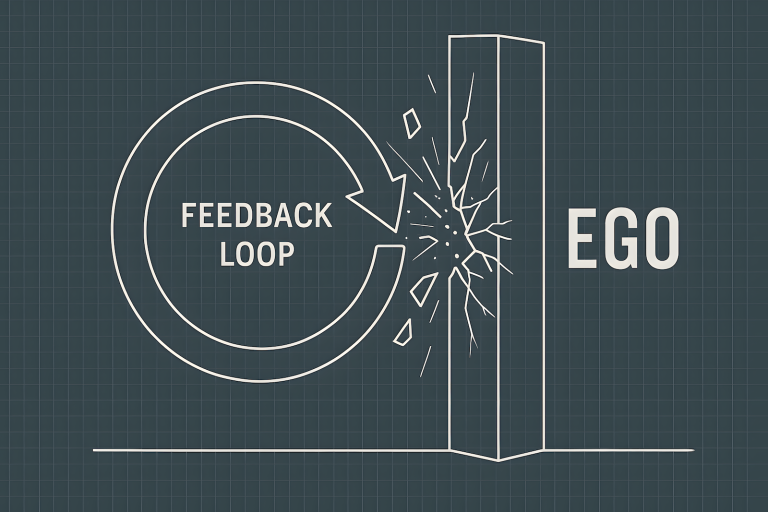
People chase the wrong kind of comfort. They buy a cheaper version of what they want, get frustrated, replace it faster, then call it “living within means.” It’s a feedback loop that bleeds both money and attention. Real frugality is efficiency: you make one high-caliber decision that outlives a dozen impulsive ones.
That’s why the smartest spenders don’t “budget.” They design spending systems.

The Illusion of “Affordable”
Every company today weaponizes the word “affordable.” They don’t lower your costs, they stretch them out so you stop noticing.
Monthly payments. Microtransactions. Streaming subscriptions. “Buy now, pay later.”
It’s not affordability; it’s anesthesia. The numbers stay small so your awareness does too.
This is the invisible war frugality fights not against poverty, but against fragmentation. The modern financial system isn’t trying to make you broke in one hit. It’s trying to make you comfortably unaware that you already are.
That’s why the minimalist fad never worked. Throwing things away doesn’t make you disciplined; it just clears visual guilt. If you don’t rebuild the decision system that got you there, you’ll refill every empty drawer by next quarter.
Frugality isn’t “less.” It’s stable.
The Phone System: Leverage, Then Forget
Years ago, I stopped buying phones like a follower.
I bought high-end once and rode that investment for half a decade.
When I got the iPhone 5, the iPhone 8 was already out. People laughed.
Then I upgraded to the 6 when everyone was bragging about the X.
By the time I got the X, they were unboxing the 13.
But my phone never choked, never slowed, never forced me into upgrades.
It worked because I didn’t buy trends, I bought longevity.
Now I’m on a ROG Phone 7 Ultimate. There are newer models, sure, but they barely outperform it.
I didn’t buy it for status or gaming, I don’t game on a 6-inch screen when I have a PC rig and a console.
I bought it because it was the top-performing system of its generation, a phone built to last, not to flex.
That single decision saves me the cost, time, and mental bandwidth of chasing every release cycle.
That’s what engineered frugality looks like.
You leverage the best, not the latest. You optimize for shelf life, not applause.
It’s not about resisting marketing — it’s about designing your buying logic so marketing can’t even find a weak spot to exploit.
The Streaming Rotation: False Savings and Stacked Waste
At one point, I had HBO, Netflix, Prime, and Disney+.
Each one looked harmless. ₱249 here, ₱459 there, small, manageable.
But together, that’s more than most people’s power bill.
It’s the illusion of thrift: every line item looks cheap in isolation, so you don’t realize you’re losing more in aggregate.
That’s the trap, you feel financially smart while overpaying for digital clutter.
You jump between platforms, half-watch everything, and end up overwhelmed by options you paid for but never use.
So I built a rotation system. I don’t cancel mid-month or track every peso, that’s micromanagement disguised as discipline.
I let a subscription run for its full month. Then I switch to another service if I feel like it.
No stacking, no guilt, no unused backlog haunting me.
If I’m not watching it, I’m not paying for it.
That’s engineered simplicity. You’re not chasing “more value” you’re extracting maximum utility per period.
It’s not about saving money; it’s about removing wasteful multiplicity.
Because frugality isn’t the art of cutting things down, it’s the science of keeping only what works at full capacity.
The Hidden Cost of “Having Everything”
Modern consumption runs on anxiety — fear of missing out, fear of falling behind, fear of not having “enough.”
But having everything is a trap. You don’t get more satisfied — just more distracted.
Every new subscription, gadget, or hobby adds maintenance overhead.
The brain has to track, manage, justify, and maintain that inventory.
That’s why clutter kills focus not because of mess, but because of micro-decisions stacked on top of each other.
When you buy things faster than you can integrate them into your system, you end up running a mental debt.
You start to optimize for appearances , “I’m subscribed, I’m updated, I’m part of it”, instead of results.
That’s not growth. That’s cognitive inflation.
Frugality, done right, is how you escape that.
You invest once, with intention, and extract long-term compound returns not just in money, but in clarity bandwidth.
Frugality as Mental Architecture
Most people treat frugality like a budgeting tool.
It’s not. It’s architecture — how you structure your life to minimize repetitive costs and decisions.
Here’s the system logic:
- One-time optimization beats recurring micro-choices.
You don’t re-decide every month whether you “need” something; you design a threshold that prevents impulse altogether. - High-caliber gear outlives cheap cycles.
Buy the best once, maintain it, and move on.
The price hurts upfront, but it saves you 10x in churn. - Attention is a currency.
Every unnecessary subscription or upgrade drains focus, which eventually costs you income potential, the highest cost of all.
That’s why I don’t call it minimalism. Minimalism is aesthetic; frugality is operational.
Minimalists curate. Frugal builders engineer.
The System Pays You Back
Here’s the irony: the deeper you systemize frugality, the richer life feels.
Not because you “saved money,” but because every decision that remains has weight, intent, and follow-through.
You start seeing patterns. You stop confusing new with better. You stop performing wealth and start building it quietly.
The frugal mindset isn’t self-denial; it’s self-respect.
You stop buying things to prove you’re thriving. You buy things that ensure you keep thriving.
And that’s the part people miss, frugality isn’t about holding back.
It’s about building forward in a way that doesn’t collapse every time the economy or your attention span wobbles.
The Quiet Flex
People who equate spending with success don’t realize how loud they sound.
They chase symbols, not systems.
The quiet ones, the ones who think in decades, build leverage, not debt.
A frugal life isn’t a minimalist room or a spreadsheet of savings.
It’s a machine you maintain, refine, and adapt.
You pay once, live many times.
You spend less time chasing upgrades and more time using what already works.
That’s the part nobody markets, because it can’t be monetized:
True frugality makes you unreachable by trends.
This post is part of the “Unhacked” series — independent essays on fixing the modern mental OS. See the full set.

Director of Systemic Disruption & Cognitive Sarcasm
Builds the teardown behind MomentumPath.net. Writes for people whose minds are tired, not broken — and who want systems that outlast the chaos.
Check out the Syndication on Medium and on Facebook.
Every click helps keep this content sharp, honest, and built to survive the burnout loop.